
Back to Orbit
“Do not go gentle into that good night”
By S.C.
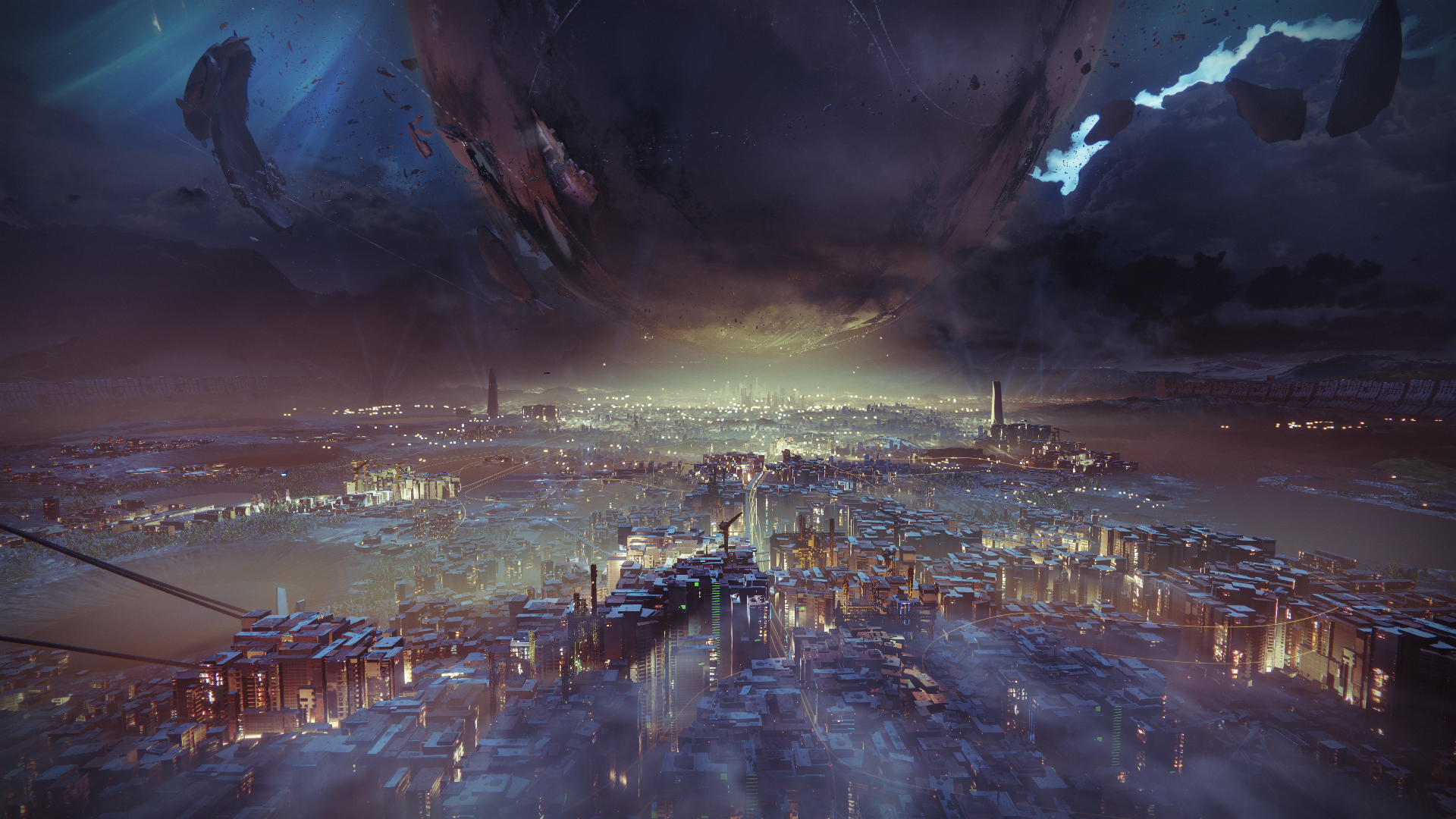
The news about Destiny 2 winding down active development hit me harder than I expected. Not because of expansions or roadmaps or seasonal content, but because it forced me to realize how much of my life has existed inside this world for over a decade.
I’ve been playing since the original Destiny with my brothers. Through different jobs, different seasons of life, grief, stress, exhaustion, health scares, and long nights where sleep wouldn’t come easily. No matter what was going on in my life, Destiny was always there in the background.
I know that probably sounds silly to some people. It’s “just a game.” But I think anyone who spent years inside Destiny’s world understands it was never really just about shooting aliens or chasing loot. Bungie created a world that felt less like a game you played and more like a place you visited over and over again throughout your life.
There are few spaces in gaming that feel as emotionally familiar to me as Destiny’s Tower. Both versions of it, the original Tower from Destiny 1 and the newer one introduced in Destiny 2. They became places I returned to again and again over the years. What’s funny is that almost nothing major happens there. You check vendors, listen to ambient conversations, watch ships come and go, or stand near the railing looking down at the Last City. Sometimes Guardians would dance, emote at each other, or just stand around doing nothing in particular. It was mostly routine, but that routine became comforting. During difficult periods of life, even something as simple as loading into the Tower and spending a few minutes there could make the world feel a little less heavy.
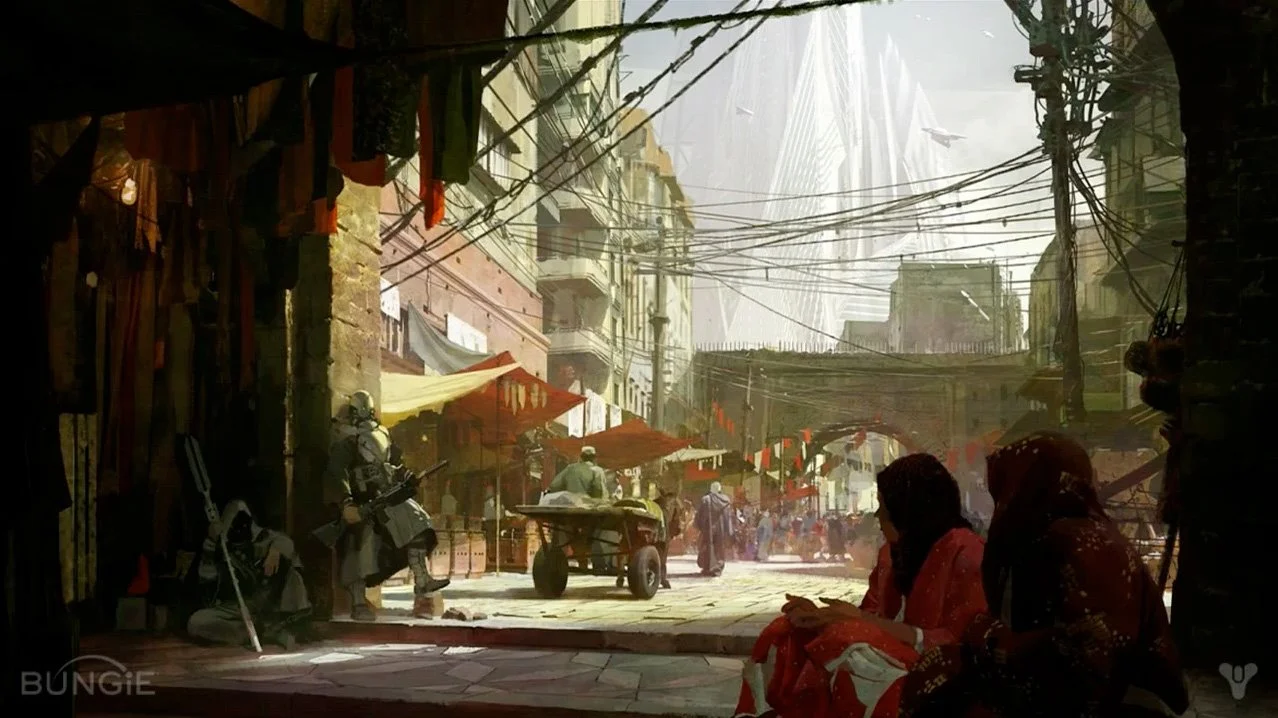
The Last City itself always fascinated me in a way few fictional places ever have. Maybe because we never fully got to experience it. We saw it from above constantly, but only in fragments. Lights stretching endlessly beneath where the Traveler once hovered. Apartment windows glowing in the distance. Ships flying between towers.
It left room for imagination. I used to wonder what life actually looked like beneath the Traveler. What people did after work. What music drifted through apartment windows at night. Whether kids stopped what they were doing to watch Guardians fly overhead. That distance made the city feel real to me.
The Farm carried a completely different feeling. Softer. More fragile. There was something deeply human about that place during the Red War era. Broken wood fences, windmills turning slowly in the distance, blankets hanging from railings, campfires glowing at night while everyone tried to recover together. The Farm didn’t feel grand or heroic. It felt temporary, but hopeful.
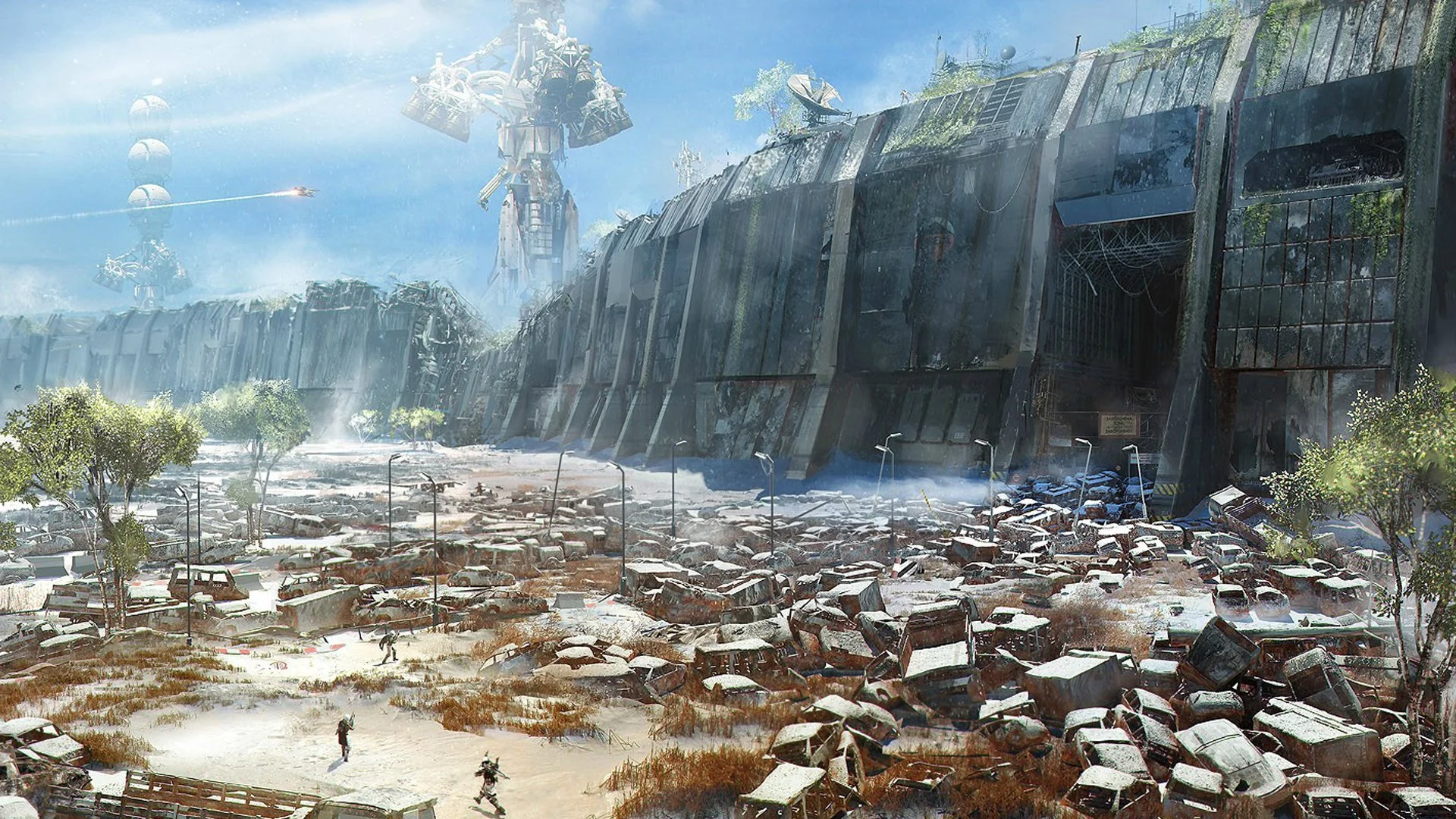
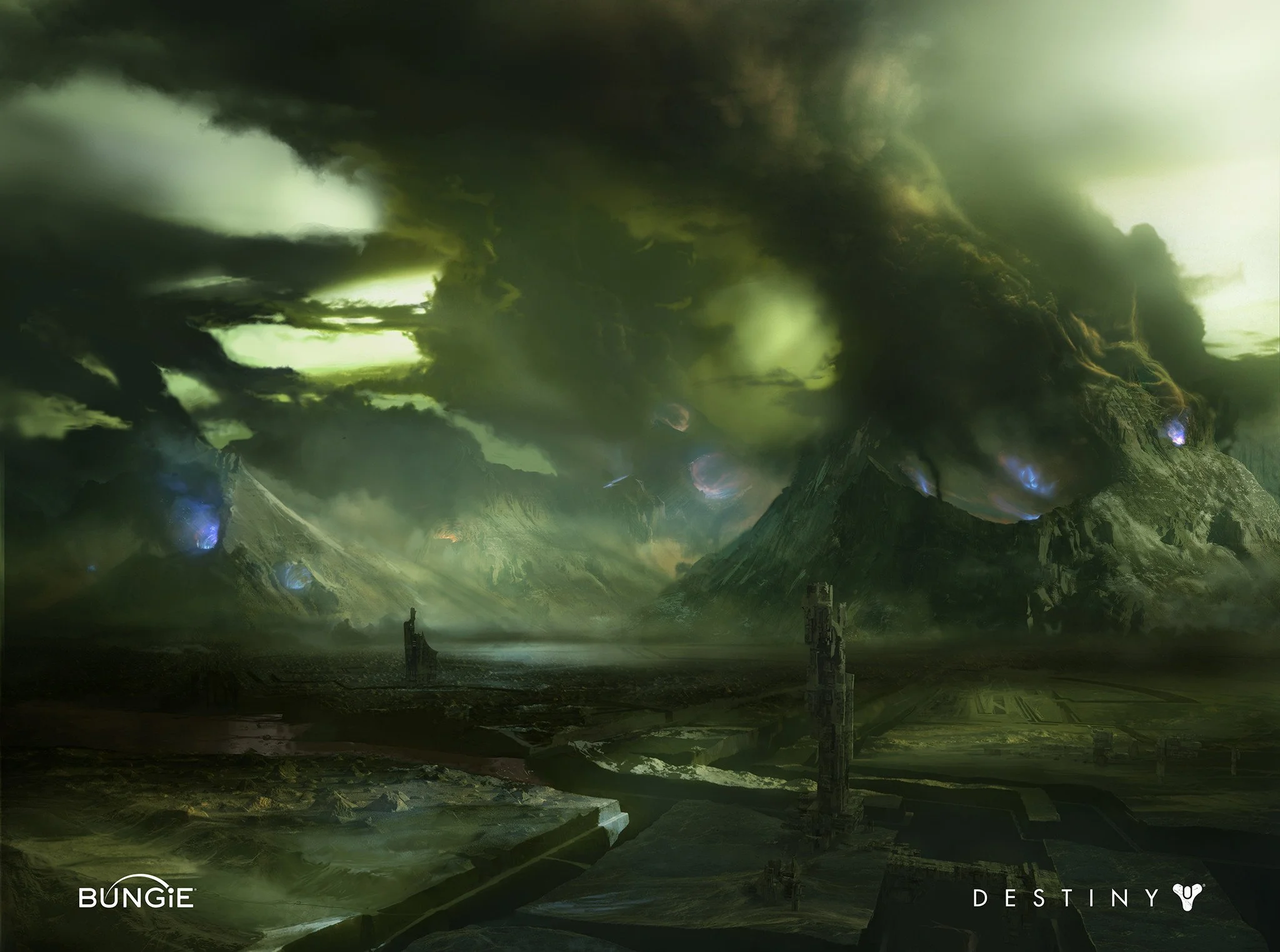
It wasn’t just the Tower either. A huge part of what made Destiny stick with me was simply existing in those worlds. There were nights where I’d barely focus on objectives because I was too busy wandering around looking at the environments. Standing in the Cosmodrome looking at abandoned colony ships. Looking up at the sky on Venus. Watching storms roll across Europa. Exploring places like the Dreaming City and wondering what those places would actually feel like in real life.
Destiny always had this strange ability to make its worlds feel massive and quiet at the same time.
Humanity in Destiny always felt believable to me. People still laughed, still gathered beneath the Traveler, still tried to hold onto pieces of normal life even while everything around them felt like it was barely holding together.
Julian was still little during the original Destiny days. Sometimes he’d jump onto my account just to help me grind for loot or make progress while I was busy. One afternoon while I wasn’t home, he ended up getting me Gjallarhorn while playing one of the many activities on my account. I still remember him calling me completely freaking out because of how rare it was at the time (the matchmade fireteam wasn’t too happy since they didn’t get one as well). Back then, certain weapons almost felt mythical, the kind of thing you heard stories about more than actually saw.
Eventually, when I got the white Destiny 2 PS4, I gave him my original PS4 along with a copy of Rise of Iron so he could officially join my fireteam. For a long time our clan was just the two of us. Eventually, it became four when my brothers Cee, Julian, and his wife Lexie joined too.
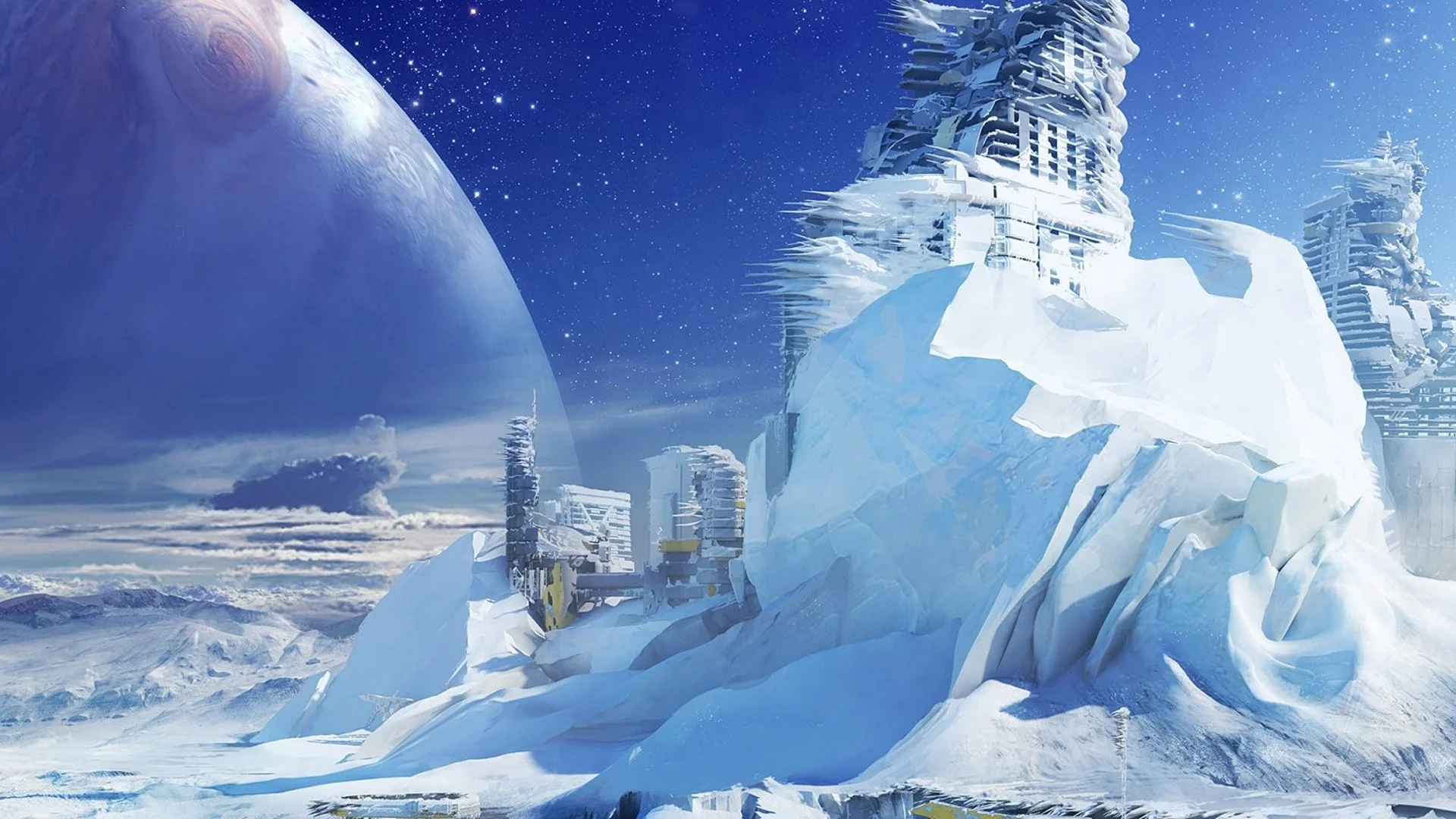
Somewhere along the line, Destiny stopped feeling like just a game we played and started feeling more like a place connected to our family history.
Over the years, Destiny also became tied to memory in ways I never expected. Certain locations immediately pull me back to specific moments in my life. The Cosmodrome reminds me of discovering the original game with my brothers and wandering aimlessly just because the world felt exciting. Orbit music reminds me of sleepless nights after long workdays. Europa brings back winter evenings with the lights off in my room while snowstorms rolled across the screen.
There were nights when I’d sit in orbit longer than I actually played.
Even now, hearing certain tracks from the soundtrack feels almost painful in the same way old photographs sometimes do. Not because the memories are bad, but because you suddenly realize how much time has passed.
For a game about immortal Guardians, Destiny always understood loss surprisingly well. The original Tower fell. Planets vanished. Characters died. Fireteams slowly stopped logging in. Versions of ourselves became attached to different eras of the game.
Every year, I also looked forward to seeing what the new collector’s edition was going to look like. The strange thing is that now those boxes feel less like game merchandise and more like artifacts from different periods of my life. Steelbooks, lore books, statues, maps, physical pieces of a world that meant a lot to my brothers and me over the years.
For a game built around impermanence, there’s something comforting about that. Long after active development ends, we’ll still have those things sitting on shelves somewhere. Small physical reminders that, for a long time, this world was part of our lives.
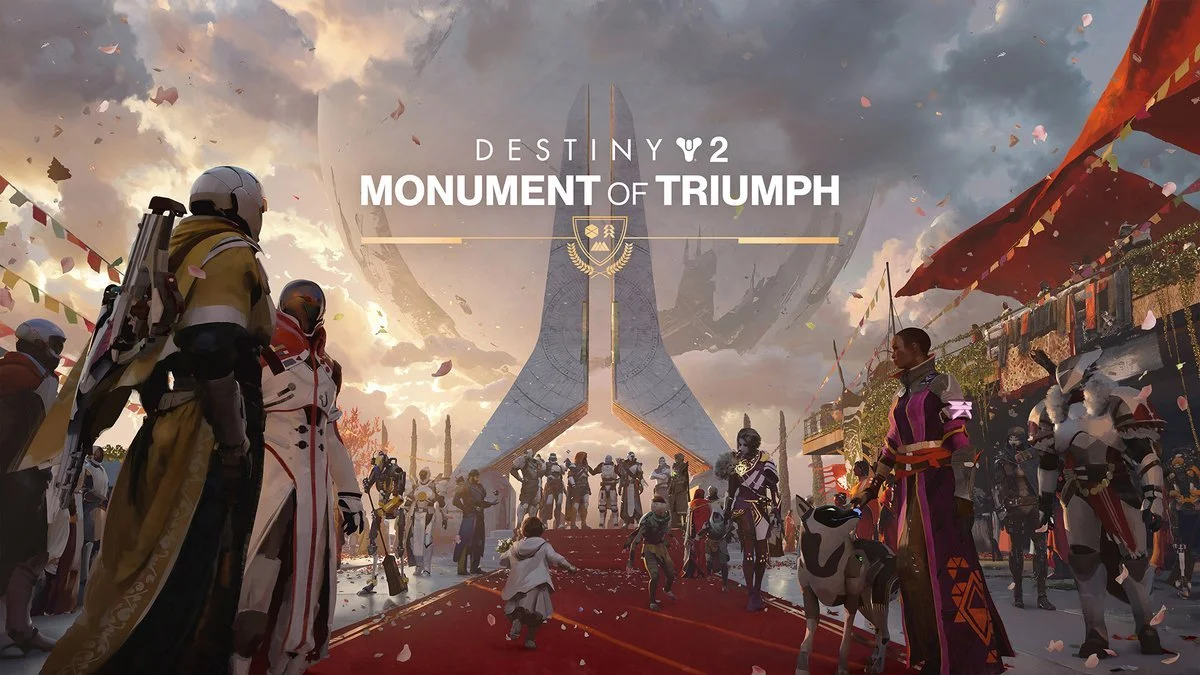
Now with active development ending, the Tower feels different to me. Not gone. Not abandoned. Just still in a way it never felt before. Like a real place you know you can still visit, even if the era that made it special has already passed. I think that’s why this news hurts people more than we probably realize. It isn’t really about content updates. It’s about realizing a world that was always evolving suddenly feels still.
Some people will stay with it for years. Others will slowly move on the way people always do. But for those of us who spent a decade inside these worlds, I don’t think the connection ever fully disappears.
Long after the final live-service update, after the seasonal stories stop and the conversations move elsewhere, I know there will still be nights when I load into orbit just to hear the music again. I’ll still walk through the Tower. I’ll still look down at the Last City and wonder what it would feel like to stand in those streets for real.
Per Audacia Ad Astra.
See you star-side, Guardians.
