
Death Isn’t the Ending: Why Horror Keeps Bringing Me Back
by S.C.
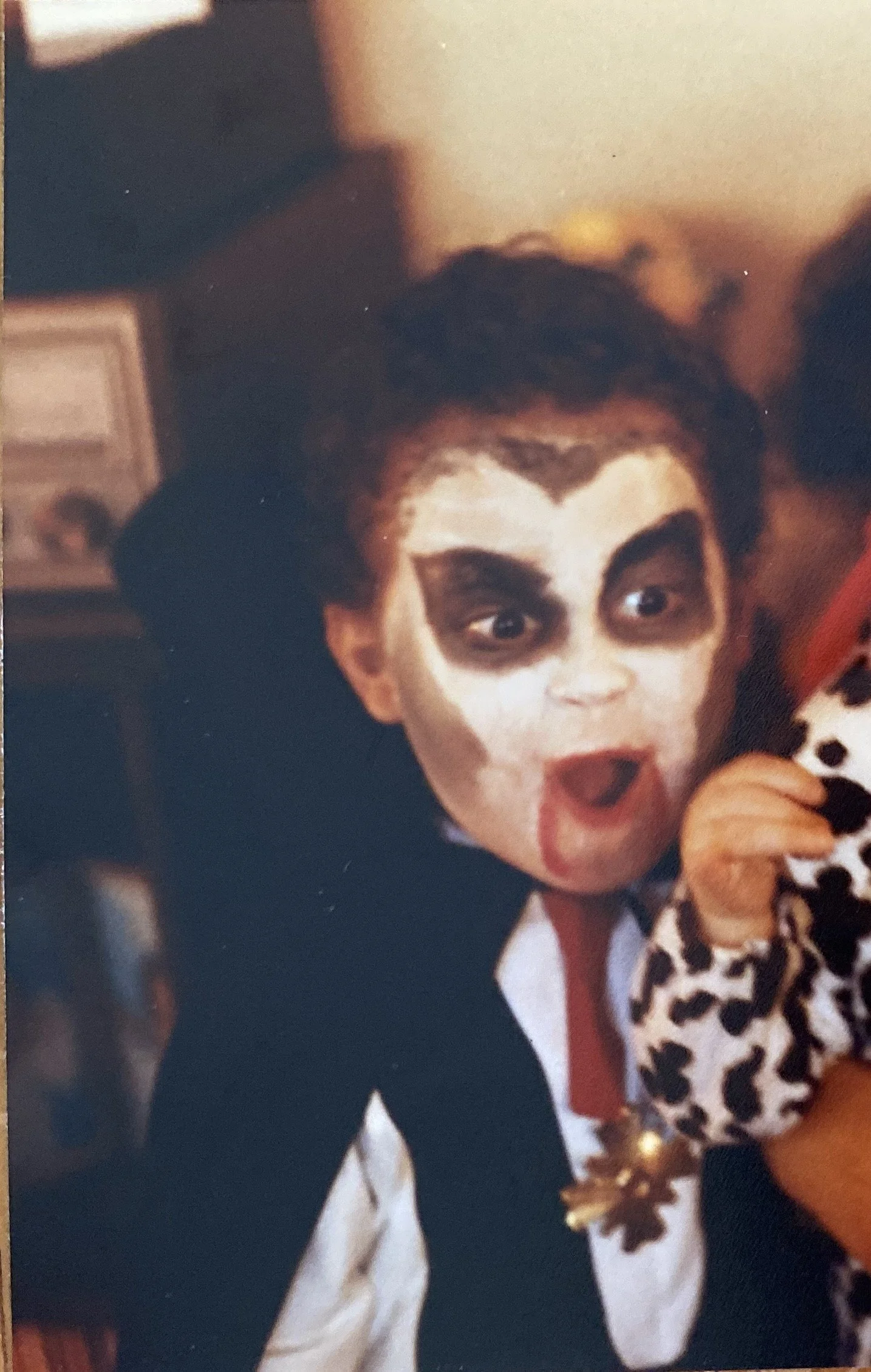
Someone asked me recently, with real curiosity, why I’m so drawn to horror when death is everywhere in it.
It wasn’t accusatory. It wasn’t dramatic. It was thoughtful. And that’s probably why it stayed with me. They weren’t asking to challenge me. They genuinely wanted to understand why something so full of loss and endings still feels like home to me.
It’s a fair question. I’ve started and stopped this piece more than once. I thought I could answer it quickly, but the more I tried to put it into words, the more I realized it wasn’t just about movies. The question felt bigger than I expected.
Death has always been part of horror. I knew that even when I was younger. Before the slashers and late-night cable marathons, there were the Universal monster movies: Dracula, Frankenstein, The Wolf Man. I grew up with those too. Even as a kid, I understood that people died in those stories, that monsters were cursed, that things didn’t always end well. But I also understood something else. It wasn’t real. It was black-and-white fog and stage sets. There was distance between me and what I was watching.
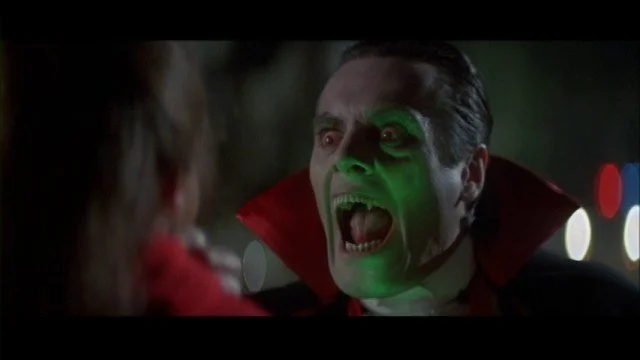
Then came movies like The Gate and The Monster Squad. In both movies, kids my age face something bigger than themselves. A hole opening in the backyard, demons climbing out of a place that was supposed to be safe. In The Monster Squad, Dracula isn’t some romantic gothic figure. He’s cold and calculating. He uses the kids’ disbelief against them. When he lifts Phoebe up by the chin and tells her, “Give me the amulet, you bitch,” it’s shocking not just because of the language, but because it shatters the idea that this is just a fun adventure. Evil in that movie feels personal. Still, the kids don’t fold. They stand there anyway.
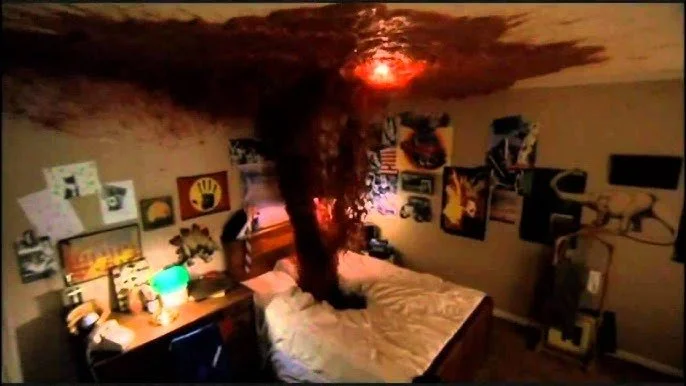
Even A Nightmare on Elm Street felt more shocking than heavy when I first saw it. Glen getting pulled into the bed and the ceiling flooding with blood looked insane. I wasn’t thinking about finality. I was thinking about how wild it was that a movie could do that. I didn’t understand yet that I was watching something about what it feels like when the safest place you know stops being safe.
Somewhere along the way, that distance shrank. Since my MS diagnosis, mortality feels closer to the surface than it used to. It isn’t a death sentence, and I don’t live every day expecting the worst. But when your health becomes something you think about every day, something shifts. You notice time differently. You notice your body differently. The future doesn’t feel abstract in the same way. There’s a sharper awareness of fragility, of how quickly something can change.
I always saw death in horror. I just didn’t carry the weight of its finality the way I do now. Now when I watch horror, I don’t just see spectacle. I see vulnerability. I see people losing control over their bodies, their time, their circumstances. The Wolf Man isn’t just a creature anymore. He’s someone trapped in something he didn’t choose. Frankenstein’s monster isn’t just stitched together. He’s abandoned and alone. The kids in The Gate aren’t just fighting demons. They’re trying to close something that never should have opened in the first place, and they fight back.
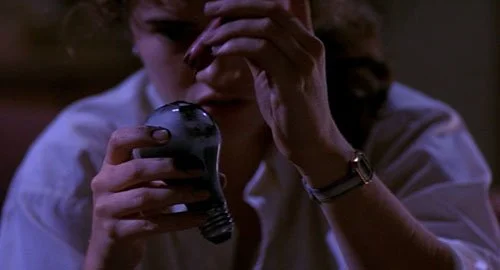
That’s the part I think I overlooked when I was younger. I remember the monsters and the effects, but what keeps me watching now is the resistance. Nancy doesn’t just accept Freddy. She studies him. She sets traps. She refuses to go quietly. The kids in The Monster Squad don’t just run from Dracula. They confront him. Even when the odds are ridiculous, someone pushes forward.
That matters to me more now than it used to.
There’s a tension I live with that I didn’t before. I want to keep pushing. At the same time, I know there are parts of this I don’t fully control. Horror feels honest about that same tension. It doesn’t pretend death isn’t there. It doesn’t pretend fragility isn’t real. But it also doesn’t remove agency entirely. People still try. They still resist. They still survive when they can.
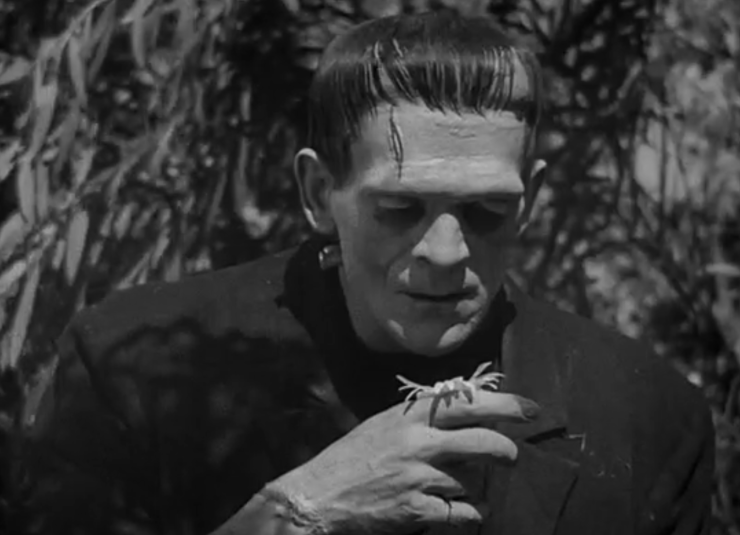
And even when they don’t, the attempt means something. So why love something saturated with death? Because horror doesn’t just dwell on endings. It shows what people when they’re forced to face them. It shows fear, yes, but it also shows endurance. It shows people standing their ground when something bigger than them shows up.
When I was younger, horror was exciting because it was fake. Now it stays with me because parts of it aren’t. The fragility feels real. The loneliness feels real. The inevitability feels real. But so does the will to keep going no matter the odds, and maybe that’s why the question stuck with me. Not because I needed to defend loving horror, but because I needed to understand what I’m actually drawn to in it.
It isn’t death that keeps me watching. It’s that horror makes the hardest parts of being alive visible — and reminds me we’re still here, still moving through them.
