
The Overview Effect: Project Hail Mary Sees the World from the Outside
by Cee
Time and again, we revisit the vastness of space with childlike wonderment. The best sci-fi films allow us a chance to do what most of us will never get a chance to do: to touch the heavens and look back on the Earth. Project Hail Mary does just that—and with its theatrical run extended and streaming delayed, it’s as good a time as any to see it (or see it again)!
One of the standout things about this film is the idea of interconnectedness. It brought to mind something known as the “overview effect.” The phrase was coined by author Frank White in his 1987 book, The Overview Effect: Space Exploration and Human Evolution. I remember being knocked on my ass the first time I read about it.
It's the phenomenon that occurs when an astronaut looks at the Earth in full view from outer space. As described by Artemis II mission specialist Christina Koch, “You don’t see borders, you don’t see religious lines, you don’t see political boundaries. All you see is Earth, and you see that we are way more alike than we are different.”
Now, I can’t say that I’ve experienced something quite that profound, but it is what came to mind when watching Project Hail Mary.
The 2026 film, adapted from the Andy Weir novel of the same name, features Ryan Gosling as our unsuspecting hero. Gosling, who plays scientist-turned-teacher Ryland Grace, becomes the world’s last hope at stopping a cataclysmic event.
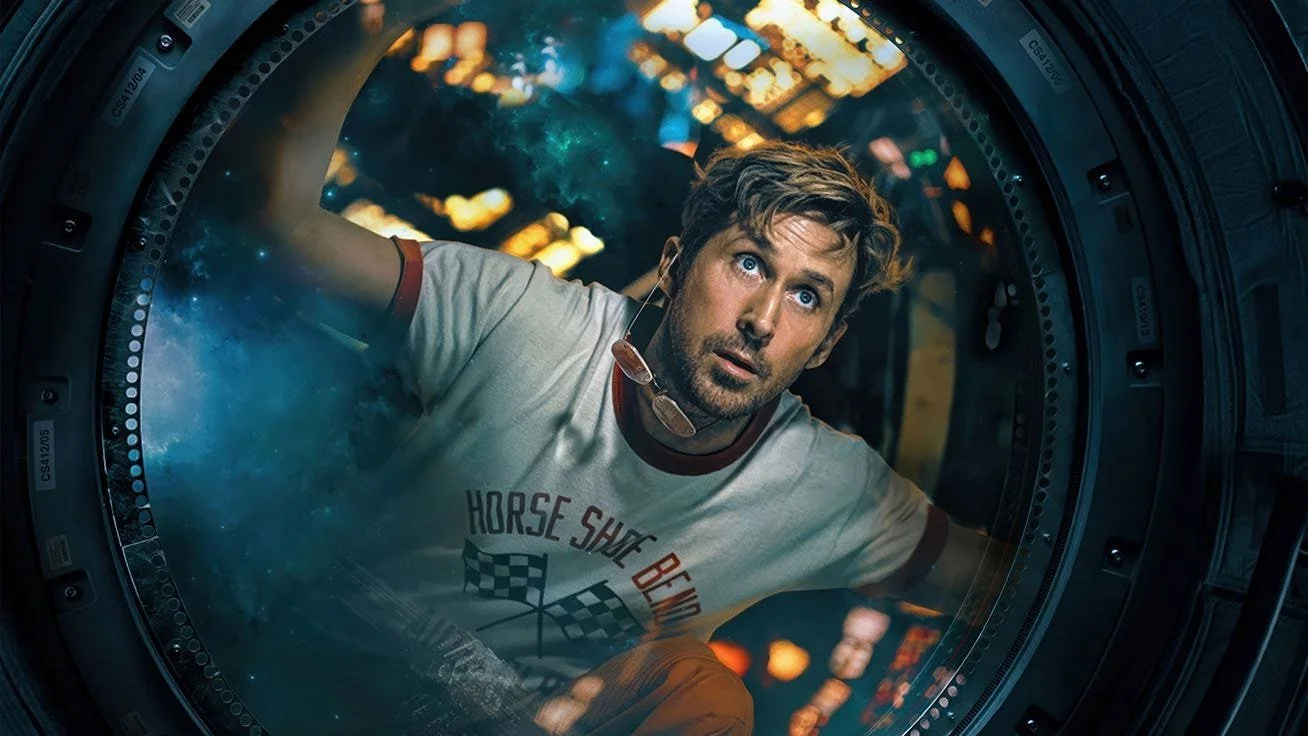
Grace awakes aboard a spaceship named the “Hail Mary,” headed for the star system Tau Ceti. To his dismay, he is the only survivor on board and has no recollection of how he got on the ship. What he does know is that he is tasked with finding a way to save Earth. His mission is to find out why “astrophage”—a substance that has been found to be feeding off stars and is effectively destroying the sun—does not affect one particular planet (dubbed “Adrian”) in the Tau Ceti system.
On his long-shot quest, he encounters another ship on the same mission. This ship also has a single survivor—the lovable extraterrestrial, Rocky. Together, they form an unlikely friendship to save life on their respective planets.
Daunting as the film’s premise is, Gosling brings enormous heart and levity to the role. His boyish charm and natural comedic chops are befitting of our haphazard hero. Gosling knows the cadence of comedy but also gives emotional weight and depth to the character Grace as well. I mean, this guy is one of our generation's best criers.He manages to navigate the opposing traits well— weaving between the dichotomy of sorrow and joy with a smile that manages to contain both.
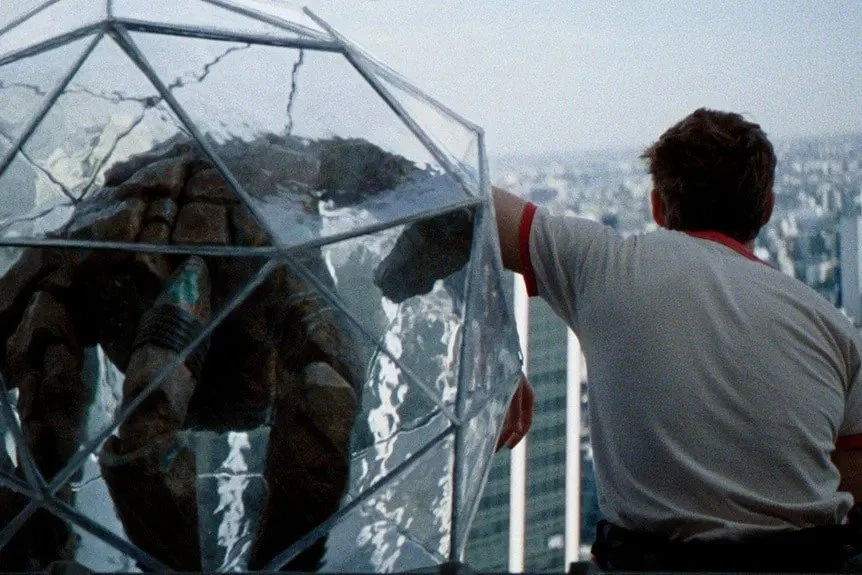
His counterpart in this film— Rocky, the witty and courageous rock/crustacean hybrid alien from planet “Erid”— is a marvel. To think that one could become so attached to a character that doesn’t have a face is remarkable. Yet despite that, the character manages to stand on equal footing with Grace as both a hero and a scientist.
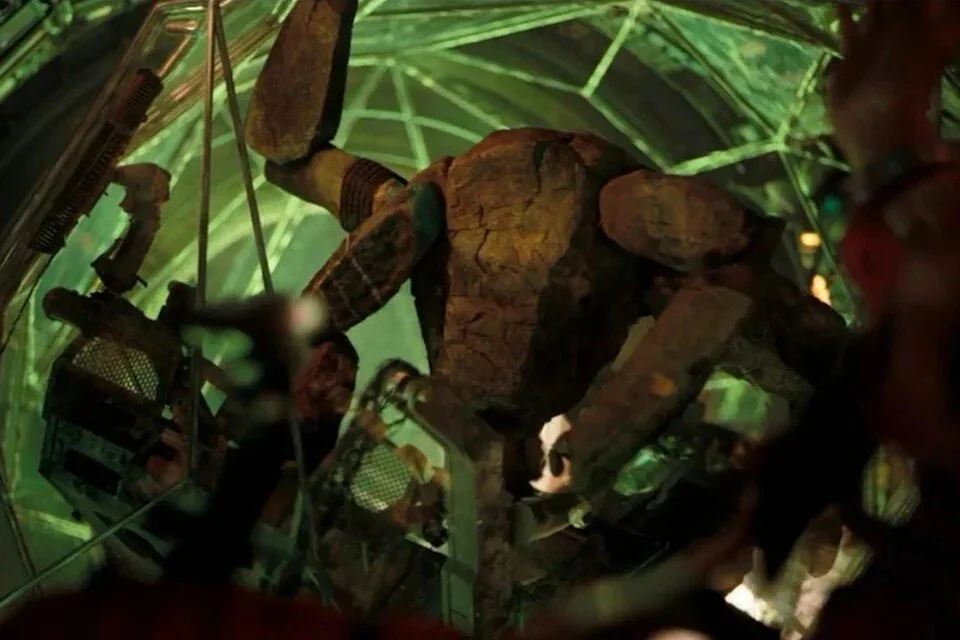
Grace’s relationship with the lovable alien makes the impending apocalyptic ice age more digestible. They make us laugh and cry in tandem, but both figuratively and literally create gravity through their bond. Their relationship reminds us that there is much to be learned from those who appear different from us.
It’s a nice change of pace to see the lighter side of extraterrestrial encounters in this sense. Don’t get me wrong, I’m a huge fan of the Alien and Predator film franchises, but it can’t be face-huggers and predators all the time. In fact, Predator: Badlands actually shares a lot of this film’s message as well, albeit in a different way—namely, more blood and explosions. Seems like alien movies revisiting the idea from the days of “E.T.” and “Mac and Me”, and I’m here for it.
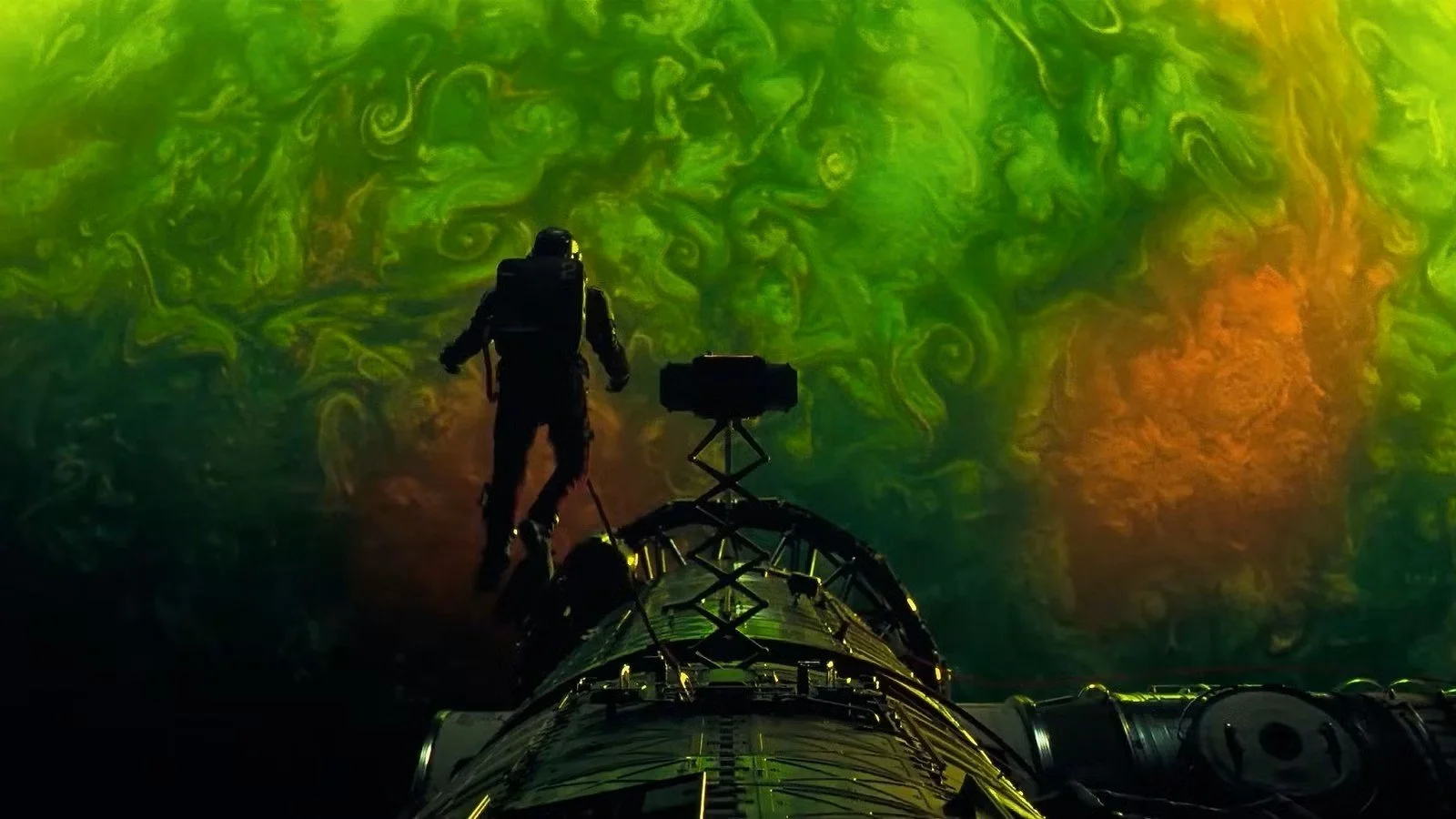
Speaking of spectacle, however, the visuals of this movie are nothing to scoff at either. Though there is a lot of CGI use—I mean, how could there not be, we’re talking about space and aliens here—it’s all tasteful and well done. Directors Phil Lord and Christopher Miller also heavily focused on using practical effects.
The mixed visual effects of space, planets, and spaceships are not only believable, but suck you into the spectacle of outer space. Whether it’s touching down in a different star system or a dangerous spacewalk mission, the movie doesn’t break the audience's immersion.
Luckily, Lord and Miller are no strangers to movies of this scope. The pair previously served as writers and producers behind the wildly successful and critically acclaimed Spider-Verse movies. Their blend of comedy and visuals produces a very specific brand of movie, wrought with imagination.
The biggest drawback of this film is the pacing. With a runtime of 2 hours and 37 minutes, the film is flush with flashbacks and “almost” moments that drag the plot on. While the back and forth does provide valuable information, it also contributes to the film’s uneven pacing, even as it introduces characters like Eva Stratt (Sandra Hüller), the leader of an international task force set on saving the world.
Overall the thought that comes to mind is, “amaze, amaze, amaze.” It’s a simple phrase that sticks with me from the film, given to us by lovable extraterrestrial sidekick Rocky. In simplest terms, it’s also how I feel about this film. The way it allows us to look for answers in the worlds beyond us to make sense of the world around us. It shows us that although space is a vacuum, life is not. It’s a message that’s more prevalent now than ever.
If you haven’t had a chance to watch it yet, I’d suggest putting your ass into orbit and getting to the theater. I promise you, Project Hail Mary is, in the words of our tiny but mighty alien hero Rocky, “full good.”
