
A Love in Spite of God
Luc Besson’s Dracula rehashes Coppola’s 1992 Bram Stoker’s Dracula with a few unexpected twists
by Cee
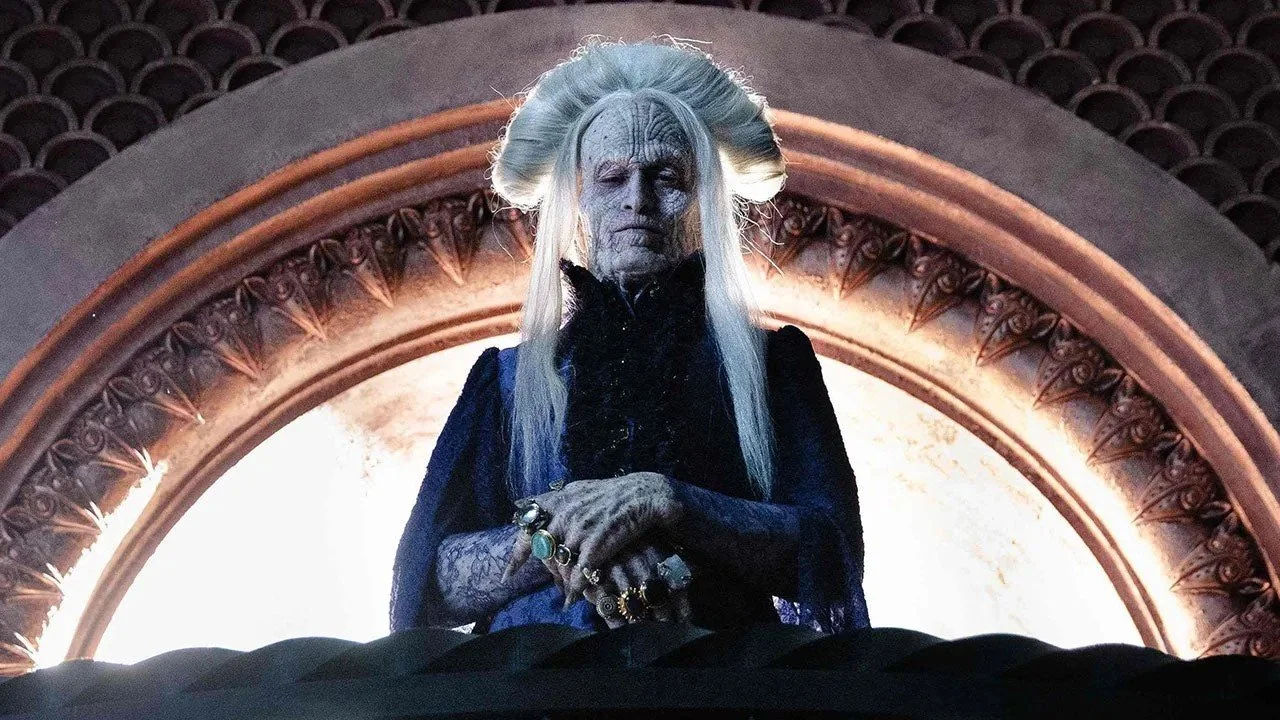
At any given time, it feels as though you could go to the movies and find one about vampires. The latest entry, Luc Besson’s “Dracula,” adds to an already noteworthy list of retellings of the famous bloodsucker, though it plays heavily as only a slightly modified version of Francis Ford Coppola’s 1992 “Bram Stoker’s Dracula.”
To say it is a pale imitation may be too biting a criticism. There is a lot to enjoy here, though much of it is not new. Besson’s “Dracula” opens much the same way Coppola’s does: two lovers fated to be separated by death, one cursed to live for eternity for turning his back on God as he roams the earth searching for the reincarnation of his beloved. It is complete with a character — not Van Helsing in this reiteration — a priest, played by Christoph Waltz (“Inglourious Basterds,” “Frankenstein”), who is on a hunt to end Dracula’s reign of terror.
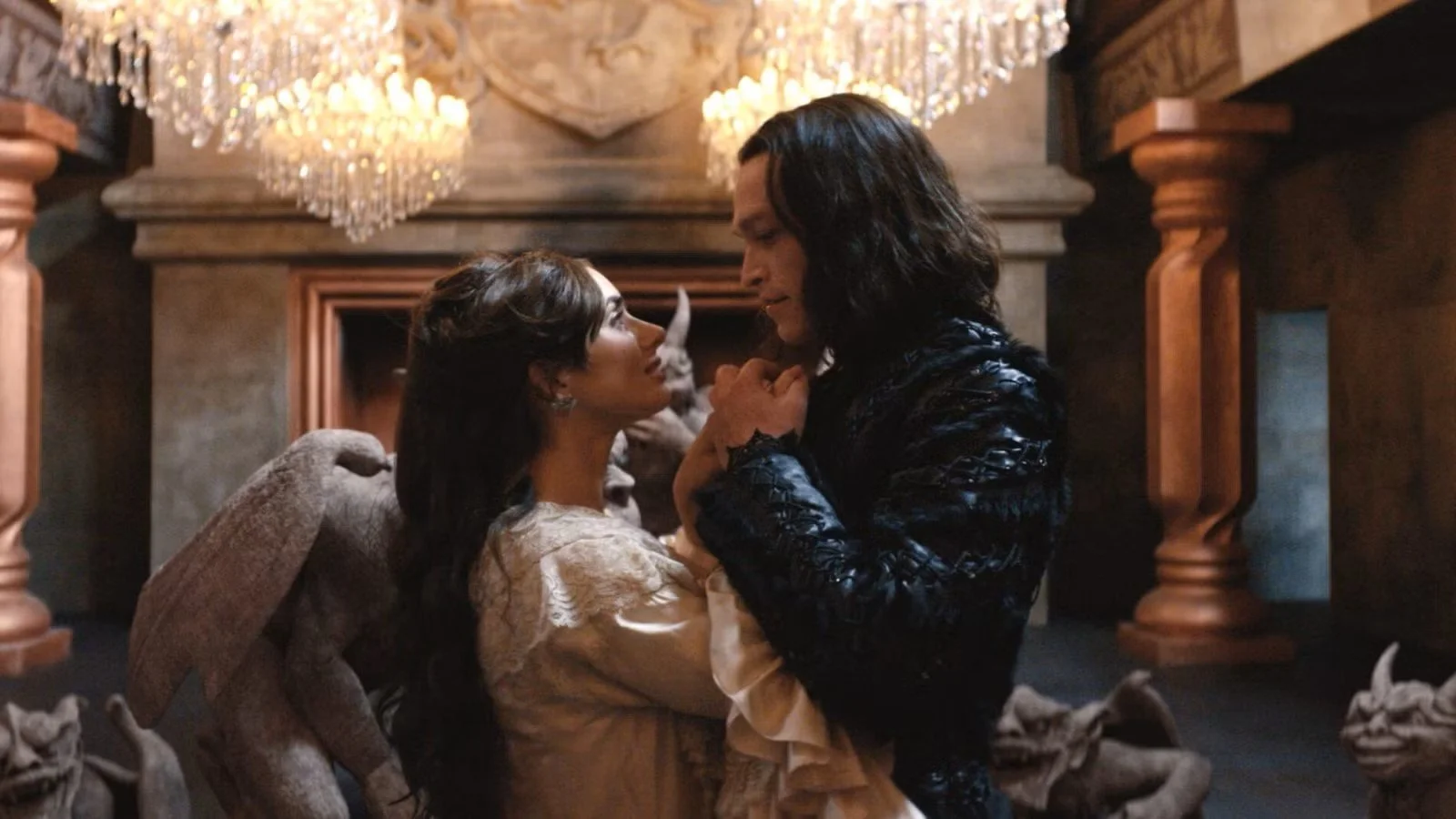
Besson captures an unexpected lightness between Dracula (Caleb Landry) and Elisabeta (Zoë Bleu Sidel, who plays the reincarnated Mina as well ). They are hedonistic and hopelessly enamored, their early scenes playful and erotic — smashing cake in each other’s faces, making love on a table, chasing each other through the castle like children. They are love-drunk and still honeymooning.
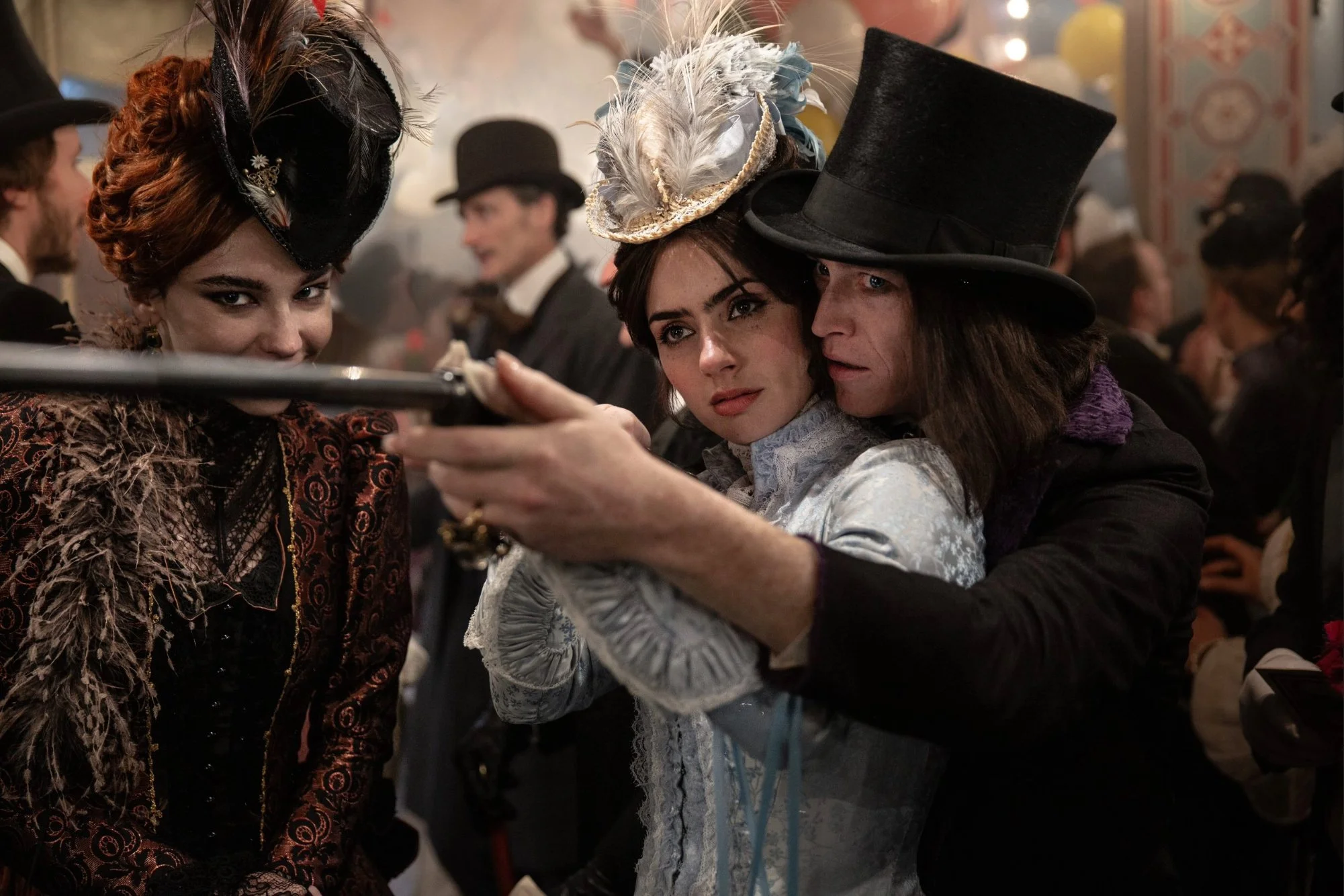
Landry and Sidel do well to embody this romantic fervor. Their playful energy early in the film — and later, the more poignant scenes of yearning for a love lost and now found — play well and are believable. This is crucial to this retelling, which leans heavily into the love story, just in time for Valentine’s Day.
Though Landry inevitably draws comparison to Gary Oldman’s suave, debonair Dracula and those iconic circular glasses, his performance holds its own. He brings a range of strong and believable emotion to the role, despite having to play a character saturated in trope.
Unfortunately, Christoph Waltz feels underused. The character, simply known as the priest, is present but thinly drawn. He never fully steps into the role, instead playing it straight to the finish line. The film gives him little opportunity to do more.
Still, there is something about this portrayal of Dracula that is endearing. Yes, it is a departure from the gothic retellings of the tortured lover, but that is not a bad thing. In fact, Besson’s film is strongest when it departs from rehashing its predecessors.
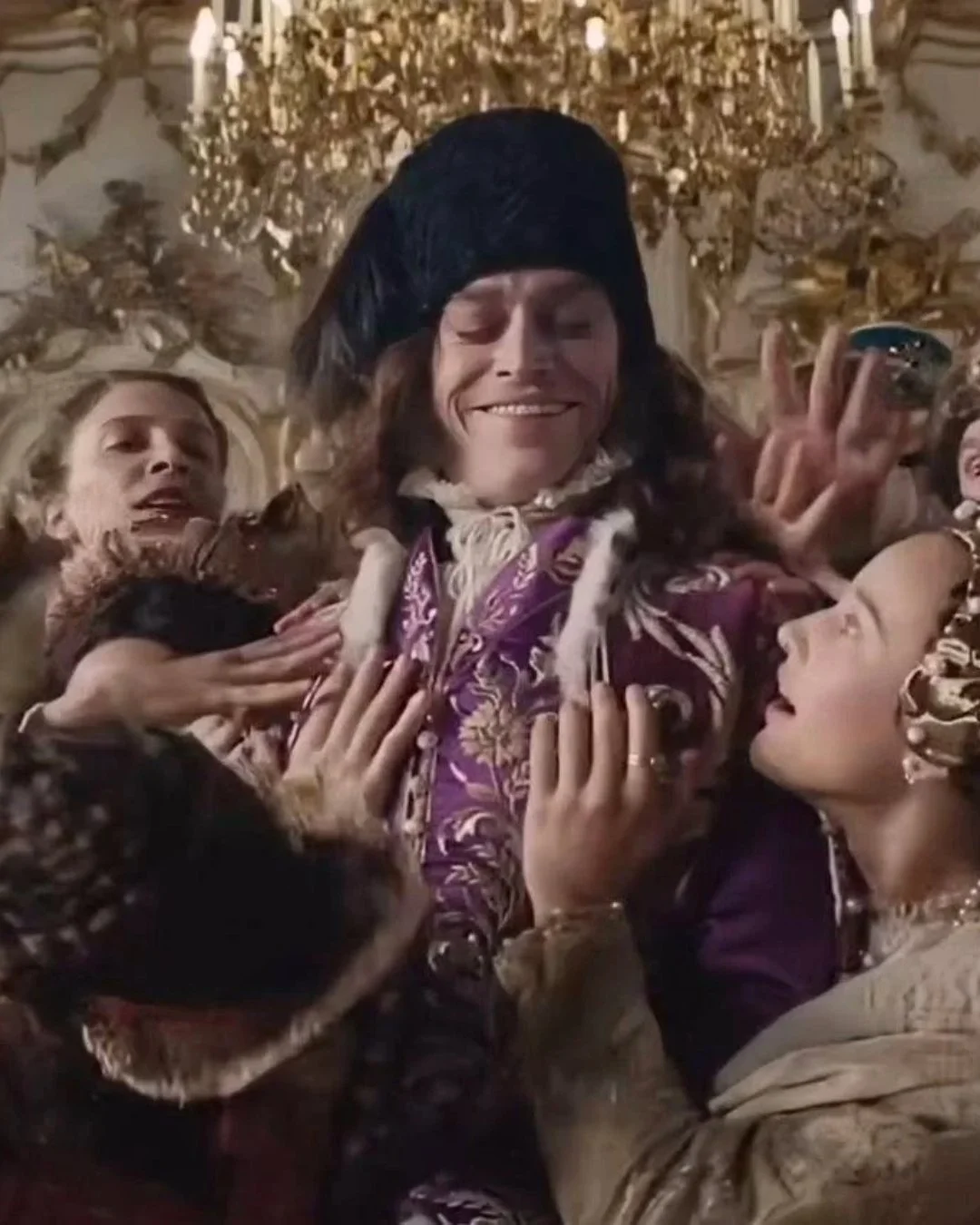
While much of what this film has done has been done before in Coppola’s “Dracula” — the makeup, the hairstyling, the overall story — Besson adds a particular flair that is unexpected. Though it still has a gothic flavor, the movie also has a sense of whimsy and comedy. It is not something one might expect, though it is something to enjoy, even if it does not quite fit at times.
Other notable differences include what feels like comic relief: tiny stone gargoyles that flutter about the castle to serve their master with slapstick quality. Though they inexplicably demonstrate knowledge of judo — one uses a head-scissors maneuver to flip a guard onto his back — they are a fun addition to an otherwise straightforward telling, even if their presence is not explained or justified.
Besson also replaces Dracula’s traditional hypnotic compulsion with a crafted perfume that renders everyone within range instantly devoted. In most depictions, Dracula commands with a gaze — think Bela Lugosi’s eyes lit in stark chiaroscuro. That power reinforces his erotic inevitability, and its absence is noticeable. Still, the perfume is a creative detour, and it earns credit for that.
The perfume turns everyone within his radius into sex-crazed beasts who fawn over him and fall under his command. At one point, the film nearly enters musical territory, a fad that has mostly faded in recent years. Suddenly, characters seem ready to break into song and dance despite the fact that this is not a musical. However, despite a montage of synchronized dances and strong visuals of lavish parties and clothing as he moves from century to century, the film manages to escape unscathed.
Though it’s not perfect, Besson’s “Dracula” is entertaining. It does not drive a fatal stake through the heart of the genre. Even if critics may recoil like vampires to garlic, audiences may find enough here to sink their teeth into.
Overall:
It's a merry bit of fun, even if the execution is macabre at times
